Semaglutide trials: weight and serious illness
The weight trial is a substantial chapter. I linger longer over the trials that counted serious heart or kidney illness.
STEP 1, week 68
STEP 1 followed 1,961 adults with overweight or obesity and without diabetes. At week 68 mean body-weight change was -14.9% with semaglutide and -2.4% with placebo. That is a result after months of observation, including the earlier period when treatment amounts increased.
Semaglutide mimics GLP-1, a gut hormone involved in appetite, digestion and blood-sugar control. Its action helps reduce food intake and slows stomach emptying. The safety review describes both its benefits and its gastrointestinal effects. The biological explanation makes the experience more intelligible; it leaves the individual course open.
I rate the STEP 1 finding highly, though I give greater importance to the work that followed the weight question into serious illness. A scale result can be obtained sooner than an answer about who has a heart attack or develops kidney failure.
SELECT’s cardiovascular endpoint and FLOW’s kidney endpoint
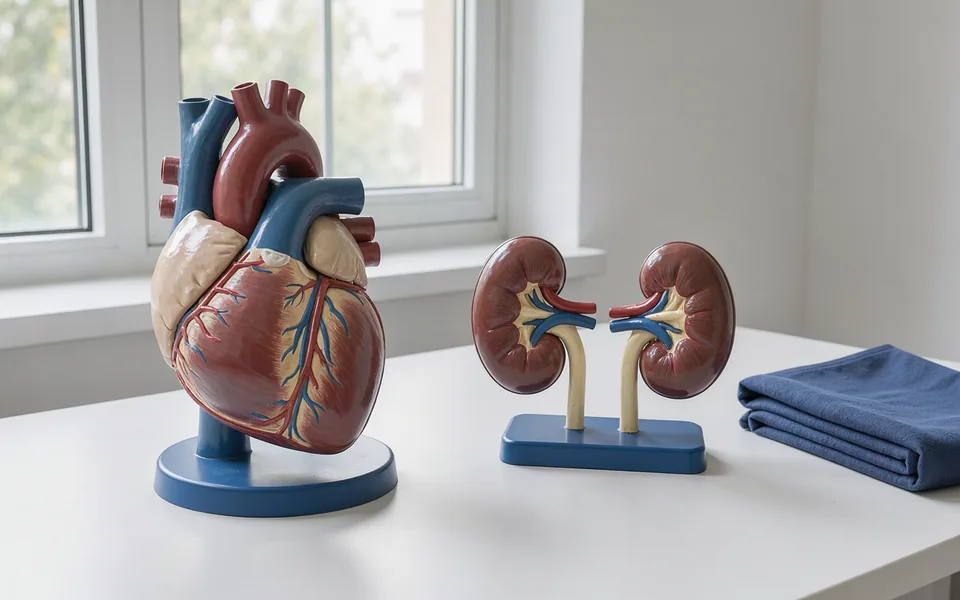
SELECT enrolled 17,604 adults with established cardiovascular disease and overweight or obesity, without diabetes. It counted cardiovascular death, nonfatal heart attack and nonfatal stroke, and found a lower risk of that combined outcome with semaglutide than with placebo.
FLOW studied 3,533 adults with type 2 diabetes and chronic kidney disease. Its combined outcome included kidney failure, a fall in kidney filtering of at least 50%, or death from kidney or cardiovascular causes. Semaglutide lowered the risk compared with placebo in that population.
I value the change in question here. These trials counted consequential events in people with particular illnesses. Their findings have a specificity that disappears if everything gets filed under faster weight loss. They also leave room for people whose circumstances differ from the trial populations.
Digestive symptoms and rapid glucose improvement
The semaglutide safety review found mostly transient, mild-to-moderate gastrointestinal problems and increased biliary disease, involving the gallbladder and the ducts carrying digestive bile. It also discusses retinopathy, existing diabetes-related eye damage that can worsen when blood sugar improves quickly. That is a very different concern from wanting a quicker change on the scale.
Rare pancreatic and thyroid-cancer signals remained difficult to settle because events were uncommon. The review’s generally favourable assessment in type 2 diabetes allows for those uncertainties. I take the reassuring parts seriously without promoting them into certainty about every rare outcome.
Personal accounts mention less hunger, changed food preferences, nausea, burping, fatigue and hair shedding. Such accounts are anecdotal and unverified; they supply no clinical evidence about frequency, cause or the week when another person might notice a change.
The 72-week comparison
In SURMOUNT-5 the treatments were compared in 751 adults with obesity and without type 2 diabetes. Mean weight change at week 72 was -20.2% with tirzepatide and -13.7% with semaglutide. Tirzepatide produced the larger average loss in that direct trial.
SURMOUNT-5 convinces me about its weight comparison; the heart and kidney papers still get equal room. The more interesting judgement involves the question being asked, the health of the participants and the outcome actually measured. Tirzepatide’s comparison trials answer a different set of questions from SELECT and FLOW.
Semaglutide has approved prescription forms for particular uses, including type 2 diabetes and weight management. A trial’s formulation and safeguards cannot establish the identity or safety of material carrying a similar research label. The semaglutide TFA answer addresses the boundary of this source collection.